Title
Castle of Zakynthos
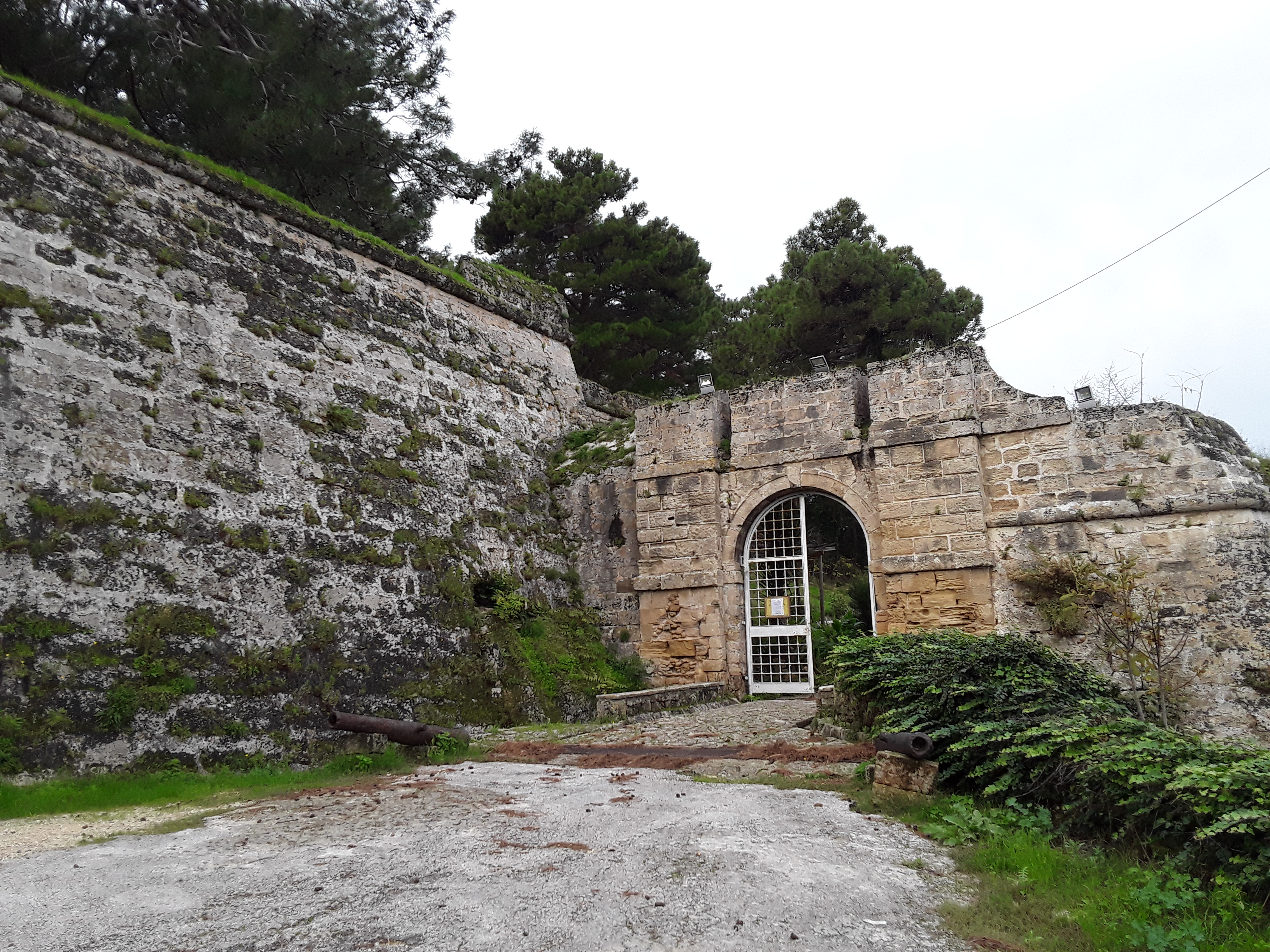
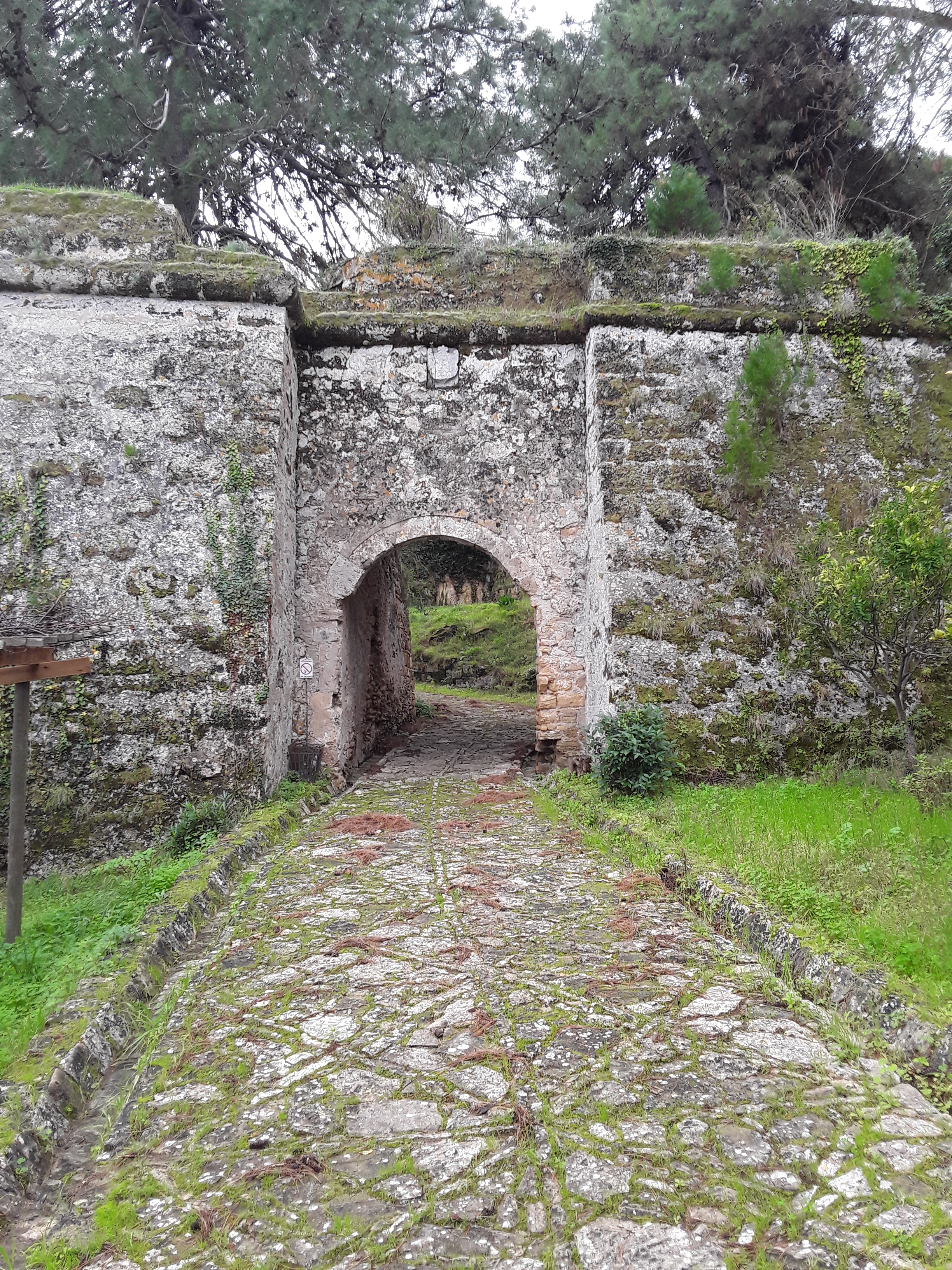
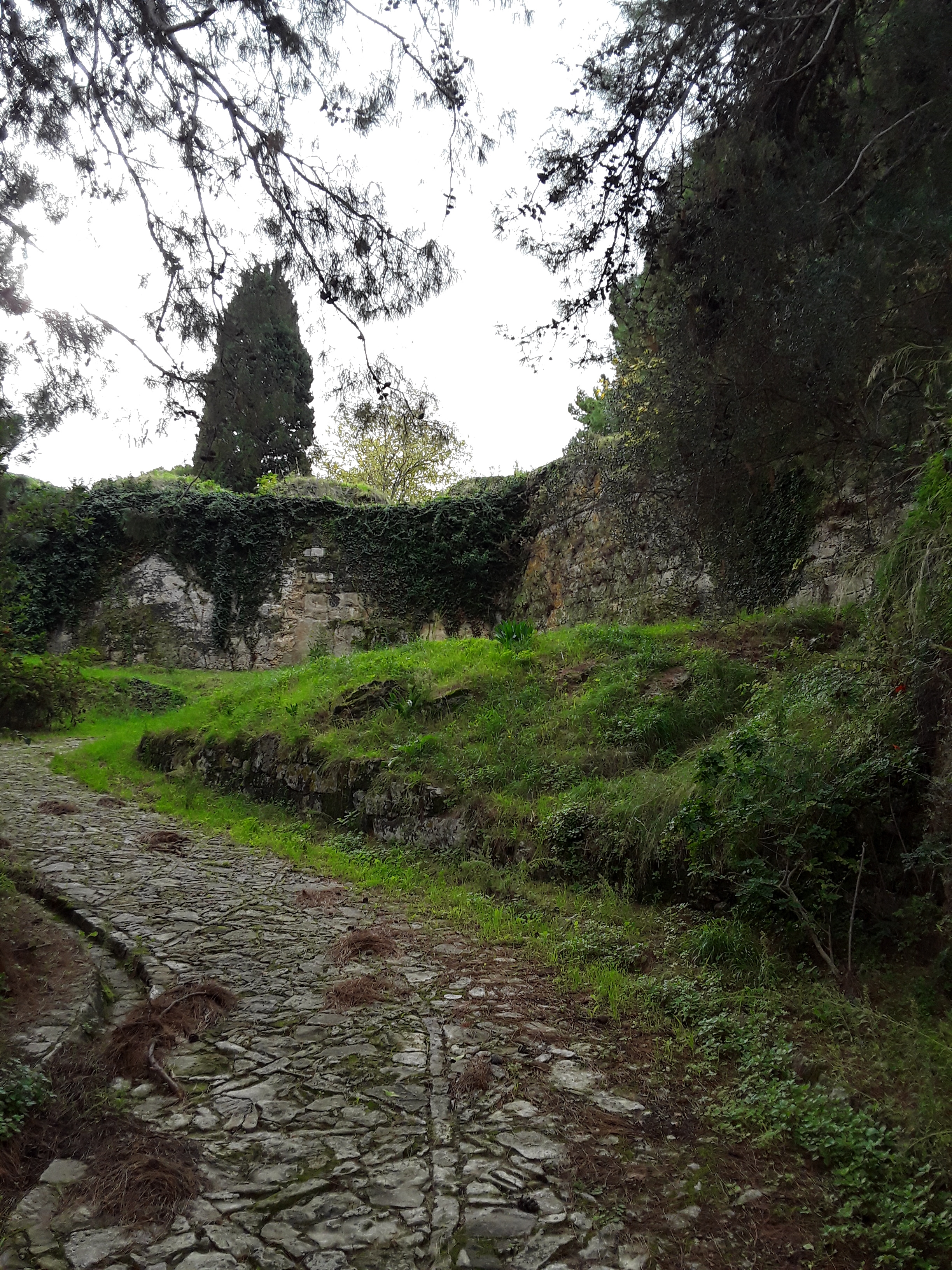
The natural fortified hill seems to have been inhabited during the 14th century BC., during the period of the great dissemination of the Mycenaean civilization. Evidence arising from ancient writings and archaeological evidence suggest that the hill was fortified as early as the middle of the 5th century BC. The fortified acropolis was named Psofis, after the homonymous Arcadian town, whose inhabitants, according to tradition, colonized Zakynthos. The hill of the Castle is identified as the ancient Acropolis from the story of Pausanias. It seems that traces of the ancient fortification were preserved until the middle of the 15th century. The construction of the walls and fortifications of the Venetian fortress began in 1646 by Venetian engineers in collaboration with Zakynthian craftsmen, and was completed a year later. At that time, the main cobbled street was constructed, which started from the Castle and reached Aegialos (Chora), the famous Strada Giustiniana, Sartzada, as it is known in more recent times. The earthquakes that often hit the island caused severe damage to the fortifications, resulting in frequent reconstruction works. The English intervention of 1812 for the maintenance and repair of the castle's walls and buildings is remarkable. Special attention was also paid to the water supply and sewerage system. However, they did not place so much emphasis on the Christian temples inside the fortification, many of which had been converted into storage areas. Architectural remains of religious monuments or of other buildings dating from the 11th to the 18th century, an advanced system of collecting rainwater, as well as sewers are also preserved inside the Castle. Archaeological evidence from the prehistoric period to the 19th century shows that the area was culturally united while featuring the Castle as a settlement lasting through centuries.